


Word · Kotodama
The spirit of words.
Kotodama describes the idea that words are more than symbols. They carry sound, intention, and repetition. A word can point the way.
One glass. One sound. One intention.
Masaru Emoto saw water as a mirror of words, music, and consciousness. Aquawhisperer turns that idea into a modern ritual for a moment of greater presence.
Masaru Emoto asked a question that still resonates today: What if water is more than a neutral medium? What if it mirrors atmosphere, language, and consciousness?
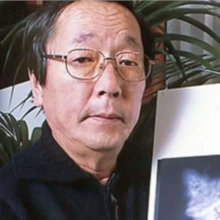
Born in Yokohama in 1943, he studied international relations and founded the IHM Corporation in Tokyo in 1986. He later became known around the world for his photographs of frozen water crystals and books such as “Messages from Water” and “The Hidden Messages in Water.”
His method was unusual: he exposed water to words, music, images, or prayer, froze it, and photographed the ice crystals under a microscope. For many people, these images became a metaphor: language is not neutral. Sound is not neutral. Attention changes the way we relate.
What matters is how Emoto himself understood his work. He called the crystal photographs “a new form of art”—neither science nor religion. That is how we read them, too.
ありがとう
Arigato
Masaru Emoto died in Tokyo in 2014. His final word is said to have been “Arigato.” Thank you.
Emoto’s work revolved around a simple idea: what we bring to a moment changes how we experience it.
Kotodama describes the idea that words are more than symbols. They carry sound, intention, and repetition. A word can point the way.
For Emoto, Hado meant vibration—not only as frequency, but as the quality of a moment. Music, voice, and atmosphere become something you do not just hear, but feel.
Of all the motifs, “Love and Gratitude” became the guiding image of his work. For Aquawhisperer, it becomes a simple practice: one glass of water, one sound, one word.
One glass of water. One word. Thank you.
This is not about belief. It’s about what you experience.
Now drink. Mindfully, slowly, with intention.
Fill your glass Press Play Settle into stillness Drink mindfully
Aquawhisperer translates Emoto’s idea into a modern sound ritual. Mindful. Simple. Repeatable.
Start now